
The making charge is the cost nobody publishes
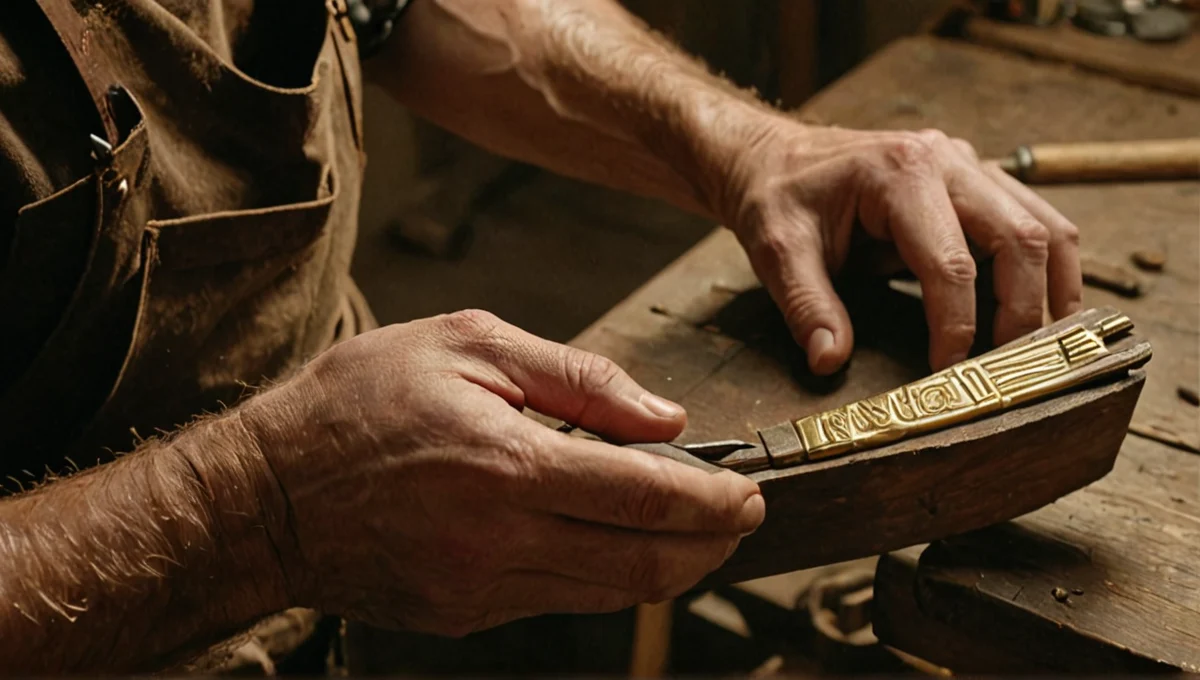
The making charge on a finished piece is the cost of turning metal into jewellery. It is quoted as a percentage of the metal value or as a fixed amount per gram. It is not part of any benchmark, and it is not published anywhere. A buyer should ask to see it itemised on the bill.
How the making charge is quoted
A jeweller may quote the making charge as a percentage of the metal value, or as a fixed amount per gram. The percentage method means the charge rises with the metal value; the per-gram method means the charge is the same for a given weight, regardless of the metal value.
A buyer should ask which method is being used. The two methods give different charges for the same piece, and the difference is not always obvious.
Why the making charge is not part of any benchmark
The benchmark is the metal value, and it is published by the association. The making charge is the jeweller's own cost, and it is not published anywhere. It is not part of the benchmark, and it is not part of the tax calculation until the tax is applied to the total.
A buyer who compares a shop's price to the benchmark is comparing a price that includes a making charge to a number that does not. The difference is not a premium on gold; it is the cost of making the piece.
What a buyer should ask to see itemised
A buyer should ask for the metal value, the making charge, the tax, and the total. Those are the four numbers that make up the bill. The metal value is the benchmark times the weight times the purity. The making charge is the jeweller's cost. The tax is three per cent of the total of the first two. The total is what the buyer pays.
A shop that does not itemise the making charge is making it hard for the buyer to compare prices. The making charge is the main variable between shops, and it should be shown.
The making charge on a bar or a coin
A bar or a coin may have a premium over the benchmark, which is similar to a making charge. The premium is the amount over the metal value that the seller charges. It is not published, and it varies between sellers.
A buyer of a bar or a coin should ask for the premium to be itemised. The premium is the main variable between sellers, and it should be shown.
The making charge on buy-back
When a buyer sells a piece back to a counter, the counter will pay the metal value minus a margin. The margin is the counter's cost, and it is not published. The making charge is not recovered on buy-back.
A buyer who sells a piece should know that the making charge is lost. The metal value is what is returned, minus the counter's margin. The making charge is a sunk cost.
The making charge in one sentence
The making charge is the jeweller's cost of turning metal into a piece, quoted as a percentage or per gram. It is not part of any benchmark, and a buyer should ask to see it itemised on the bill.
A flat charge per gram and a percentage of the metal value shift cost in opposite directions
When a making charge is quoted per gram, the rupee cost on a heavy plain bangle is the same as on a light one of equal weight, even though the lighter piece may need far more labour. The shop sets that rate to cover its own bench work, and it does not rise when the gold price rises. A buyer who watches only the metal rate misses how much of the bill is fixed before the first gram is weighed.
A percentage making charge moves with the benchmark, so the same design becomes more expensive in rupees when the metal rate climbs even if the workmanship has not changed. The percentage is applied to the value of the gold content, not to the finished weight, which means lower purities attract a smaller making charge in absolute terms for the same design. That is arithmetic some buyers never see itemised.
Neither method tells a buyer how much of the charge is profit and how much is actual labour, because the invoice rarely splits the two. A shop that switches from per gram to percentage during a price rise is changing the basis of comparison without announcing it. Asking which method applies before the piece is weighed is the only way to keep the two quotes comparable.
The making charge on a coin or bar is the easiest place for a shop to hide its margin
Bars and coins are supposed to be the purest form of buying gold because the making charge should be minimal, yet that is exactly where a shop can bury a wide margin. The benchmark rate is for standardised bullion, so any rupee added above the metal value on a minted piece is effectively a making charge under another name. Buyers who assume coins are sold at the benchmark are handing over a fee they have not measured.
A shop may quote a low making charge per gram on a coin but then apply a different buy-back rate later, and the two numbers are never shown together. The spread between the selling price of a coin and what the shop will pay to take it back is the real cost of ownership, and it is far larger than the printed making charge. That spread is not published anywhere on the counter.
Because coins and bars are standardised, the only legitimate variation between shops is the making charge, yet advertised rates often differ by more than the charge itself. A buyer who compares only the metal rate on a coin is comparing the part that is identical everywhere, not the part where the shop sets its own price. The making charge on bullion is the margin, and it deserves the same scrutiny as on a necklace.
A buyer who negotiates the making charge before the metal rate is negotiating in the dark
The sequence at the counter usually starts with the metal rate, then the weight, then the making charge, but a buyer who waits until the end has already accepted the first two numbers. The making charge is the only figure the shop can change on the spot, so it should be fixed before any other term is agreed. If the charge is left until last, the shop will anchor it to the total value of the piece rather than to the work involved.
When a buyer asks for a discount on the making charge after the rate and weight are settled, the shop can adjust the charge upward on another piece or reduce the purity in the calculation without being obvious. The negotiation then becomes a shell game where the buyer believes a concession has been won while the total bill stays unchanged. The only protection is to ask for the making charge in rupees per gram for the exact design before the metal price is even discussed.
Shops that refuse to quote a making charge until the metal rate is locked are signalling that the two are being bundled together into a single price. That bundling is how a buyer ends up paying a percentage charge that was never disclosed as a percentage. The order of operations is not a formality; it determines which side controls the arithmetic of the final bill.
The same design from the same factory can carry a different making charge in two shops on the same street
Jewellery wholesalers supply many retailers with identical pieces, yet the making charge stamped on the tag is set by each shop independently. One shop may add a flat amount per gram to cover its rent and staff, while another adds a percentage to make the charge look smaller on a low-metal-rate day. The buyer sees two different numbers for the same physical object and assumes the higher one reflects better workmanship, which is rarely true.
Because the making charge is not standardised, comparing two shops requires stripping away every other cost and looking only at the charge per gram for the same weight and purity. A shop in a high-rent location will often quote a higher making charge to recover that overhead, but the buyer is not buying the location. The benchmark metal rate is identical in both shops, so the entire difference in the final bill is the making charge plus tax on that charge.
Some shops advertise a lower metal rate and then recover the difference through a making charge that is double the neighbouring shop's charge. The buyer who walks in for the better rate and ignores the making charge leaves with a more expensive piece. The only way to expose this is to ask for the making charge per gram in writing before any metal rate is quoted, and then compare that number across shops.
The making charge is the first number to be waived on a distressed sale and the last to be refunded on a return
When a buyer needs to sell jewellery back to a shop, the making charge paid at purchase is never returned, because the shop values the piece only for its metal content. That means the effective loss on a quick resale is not just the difference between buy and sell rates but the entire making charge that was paid upfront. A buyer who paid a high making charge on a design-heavy piece has already lost that money before any market movement is considered.
On a return or exchange, the shop will typically refund the metal value at the current rate but retain the making charge or roll it into the next piece at a reduced value. The buyer is told the making charge cannot be refunded because the work has already been done, even if the piece was never worn. That policy is never printed on the invoice, and it converts the making charge into a non-refundable fee the moment the sale is completed.
A buyer who plans to hold gold for a short period or who may need to liquidate it should treat the making charge as a sunk cost that will not come back. That changes the arithmetic of buying a heavy ornate piece versus a simple one, because the exit value ignores the ornament entirely. The making charge is the only cost in the transaction that is guaranteed to be lost on any future sale.
The tax is charged on the making charge as well as on the metal, so a lower making charge lowers the tax bill twice
The goods and services tax applies to the entire invoice value, which includes the making charge on top of the metal value. A buyer who negotiates a lower making charge therefore reduces the taxable base by the same rupee amount, and the tax falls in proportion. This double effect is invisible when the making charge is quoted as a percentage, because the percentage is applied to the metal value before tax is added, and then the tax is applied to the total.
Shops that advertise a making charge as a flat amount per gram are actually making the tax calculation simpler for the buyer, because the charge is fixed before the metal rate is known. When the making charge is a percentage, the tax bill rises with the metal rate even if the making charge percentage stays the same. A buyer who compares only the making charge percentage between two shops may be ignoring a difference in the tax that the percentage itself creates.
The invoice should show the tax separately on the metal value and on the making charge, but most bills show only a single tax line on the total. That obscures how much of the tax is attributable to the making charge, which is the only part of the bill the shop can freely adjust. Asking for the making charge to be itemised before tax is the only way to see the true cost of the workmanship, including the tax that workmanship attracts.
Key facts
Read next
Questions about karat and cost
What is the making charge?
The making charge is the cost of turning metal into a finished piece. It is quoted as a percentage of the metal value or as a fixed amount per gram. It is not part of any benchmark.
Why is the making charge not published?
The making charge is the jeweller's own cost, and it varies between jewellers. It is not published anywhere, and it is not part of the benchmark. A buyer must ask for it to be itemised.
How is the making charge calculated?
The making charge can be calculated as a percentage of the metal value, or as a fixed amount per gram. The method should be stated by the jeweller. The tax is then charged on the metal value plus the making charge.
Can the making charge be negotiated?
The making charge is a cost, and it can sometimes be negotiated. But it is not a fixed number, and it varies between jewellers. A buyer should compare the making charge between shops before deciding.
Is the making charge refunded on buy-back?
No. The making charge is lost when a piece is sold back. The buy-back price is based on the metal value only, minus a margin. The making charge is a sunk cost.
Start from the only published rate
The India Bullion and Jewellers Association announces its rate twice on every trading day. That is the reference for tax, for loans against jewellery and for buy-back counters. It is not a shop's price, and it is not what you pay.